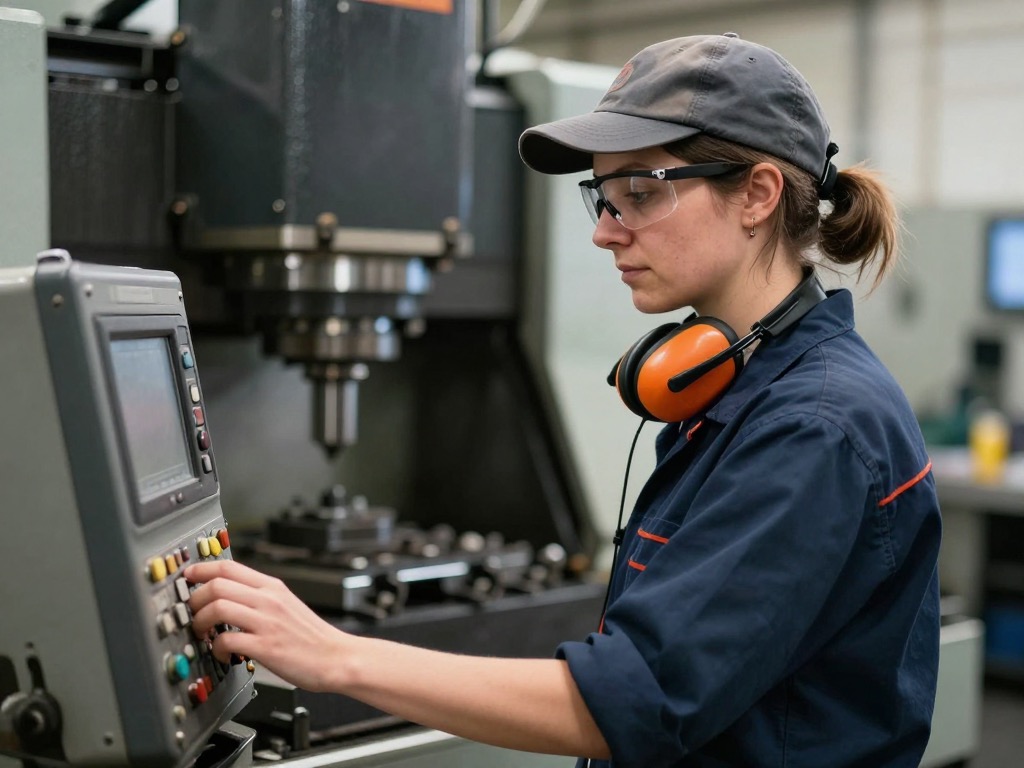
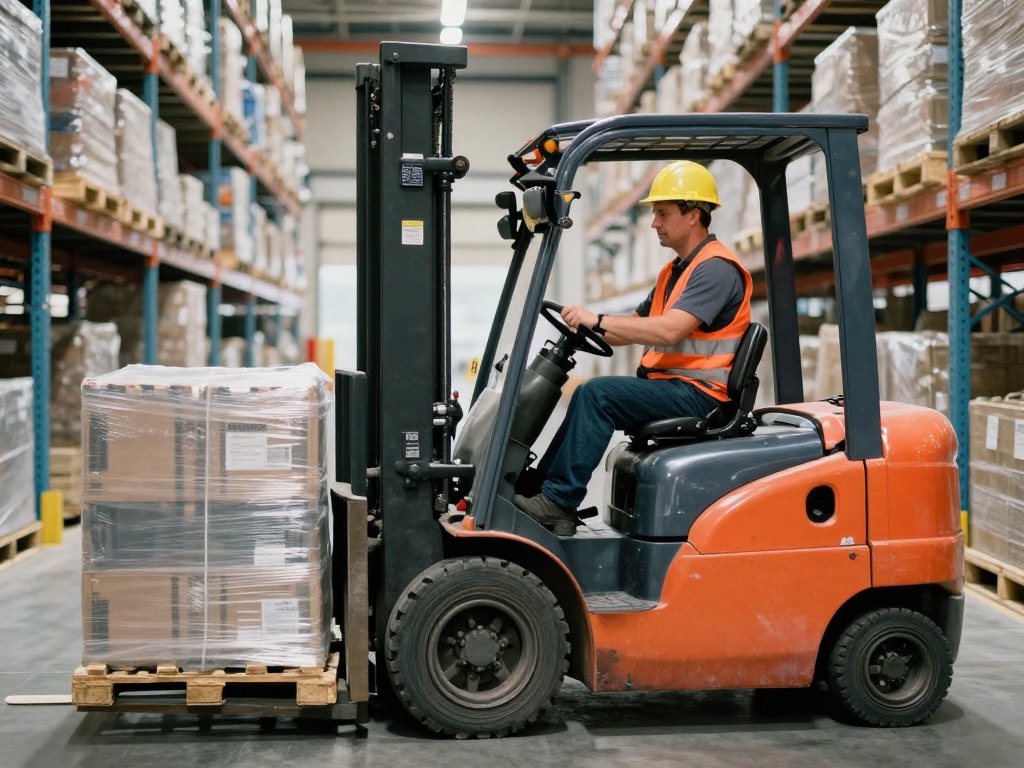
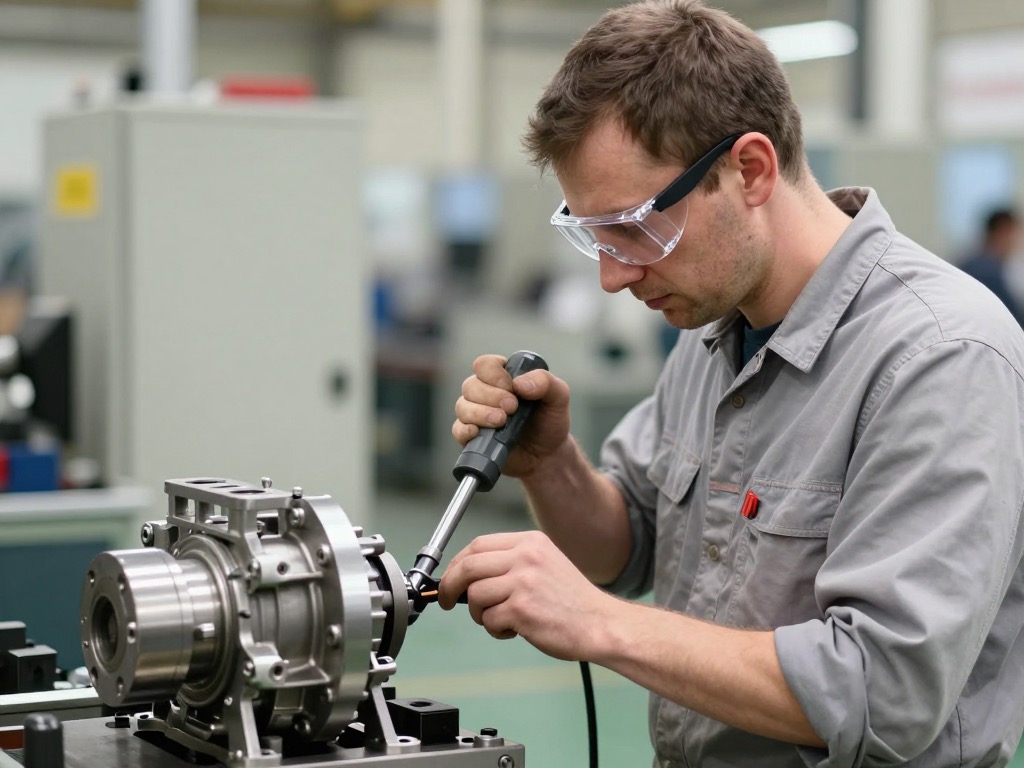
Who you’ll train
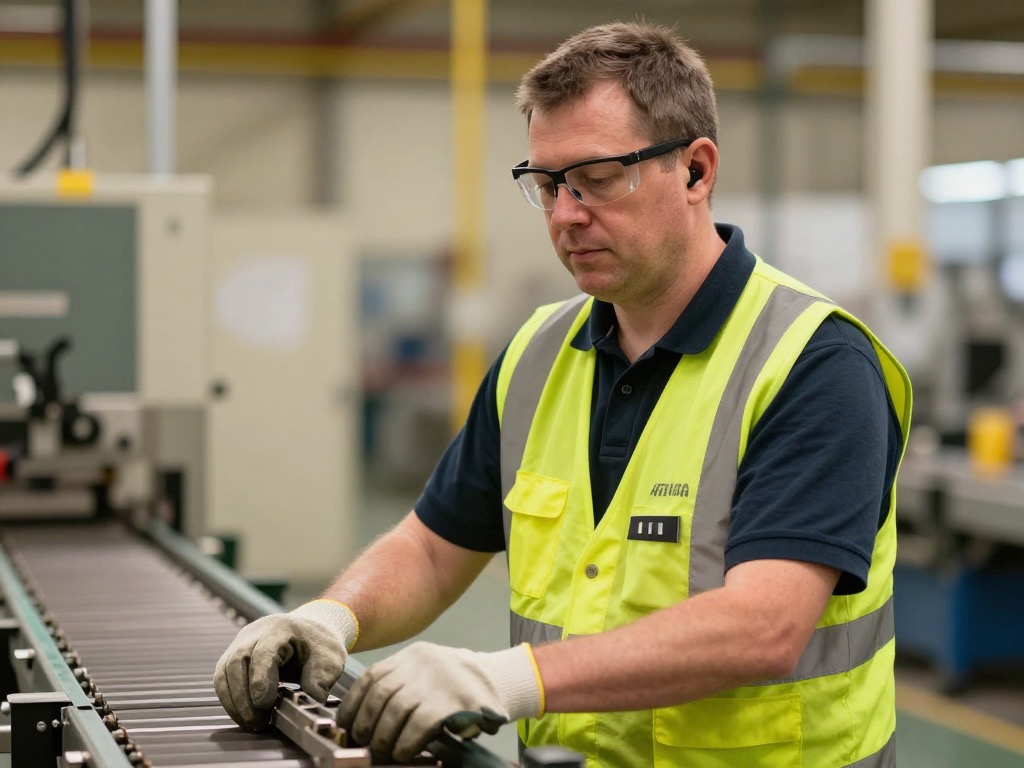
The people who run your floor.
From the line to the leads — one standard, in every language they speak.
We turn the standard operating procedures (SOPs), machine videos, and know-how you already have into standardized video training — deployed in days, in every language your floor speaks, and updated automatically when a procedure changes — with OSHA and safety-certification training tracked and ready for the auditor.
From the line to the leads — one standard, in every language they speak.
Every plant leader runs into the same four walls:
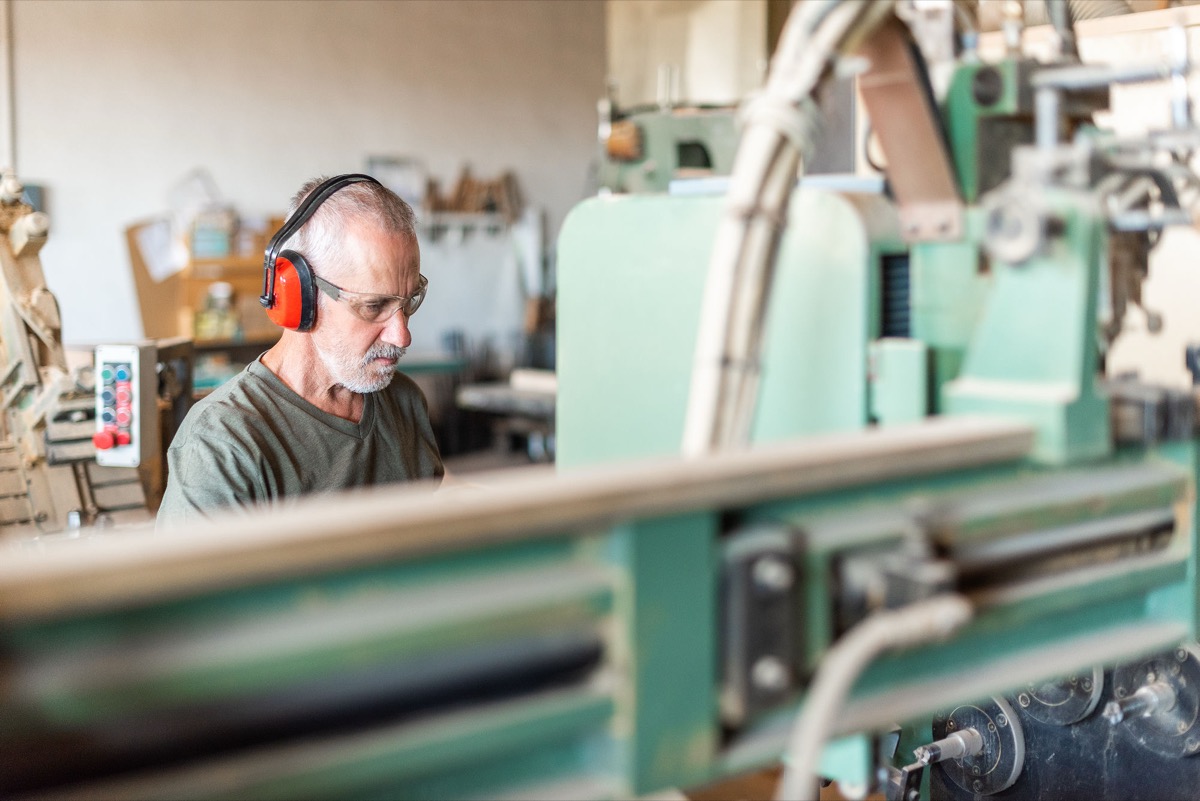
Three of my best operators retire within two years. How they dial in a changeover, the sound that means a tool’s about to go — none of it is written down anywhere.
Day shift and night shift run the same line two different ways, because new hires learn from whoever happens to be standing next to them.
We standardize a procedure and roll it out — and weeks later half the floor is back on the old method while the binder still shows the last version.
Half the floor’s first language isn’t English, and the lockout/tagout training only speaks one. When the auditor asks who’s current, I’m digging through spreadsheets.
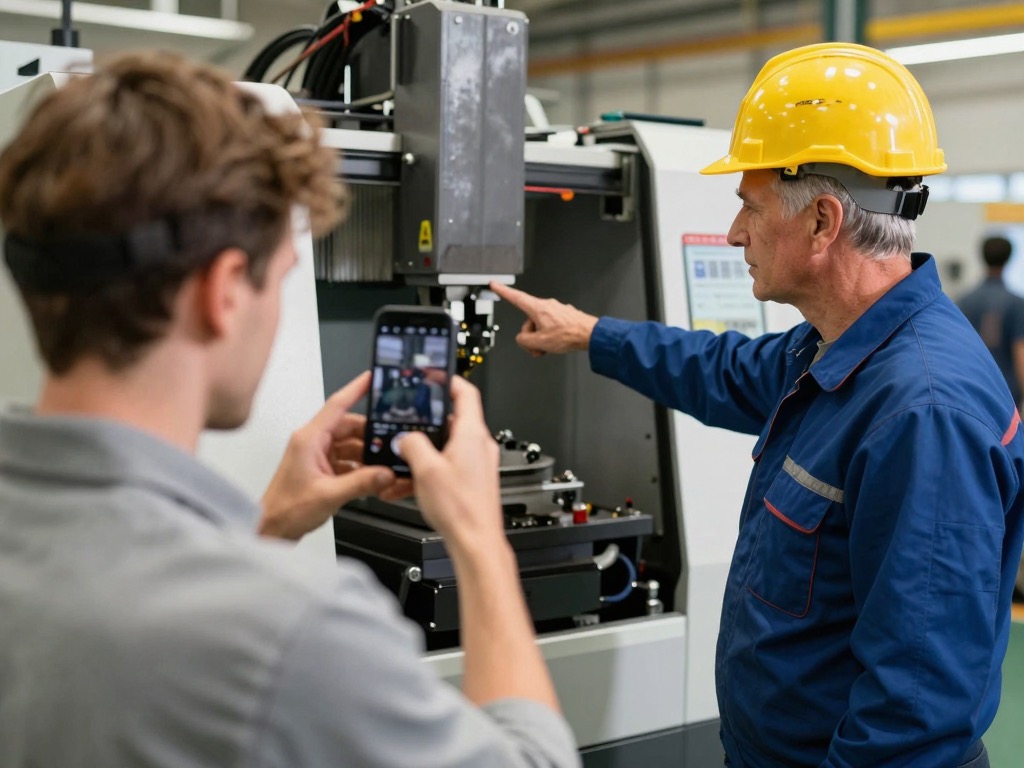
Film the retiring operator at the machine — the changeover, the fault, the workaround they reach for — and we turn it into a permanent course the next hire follows. The judgment, not just the steps.
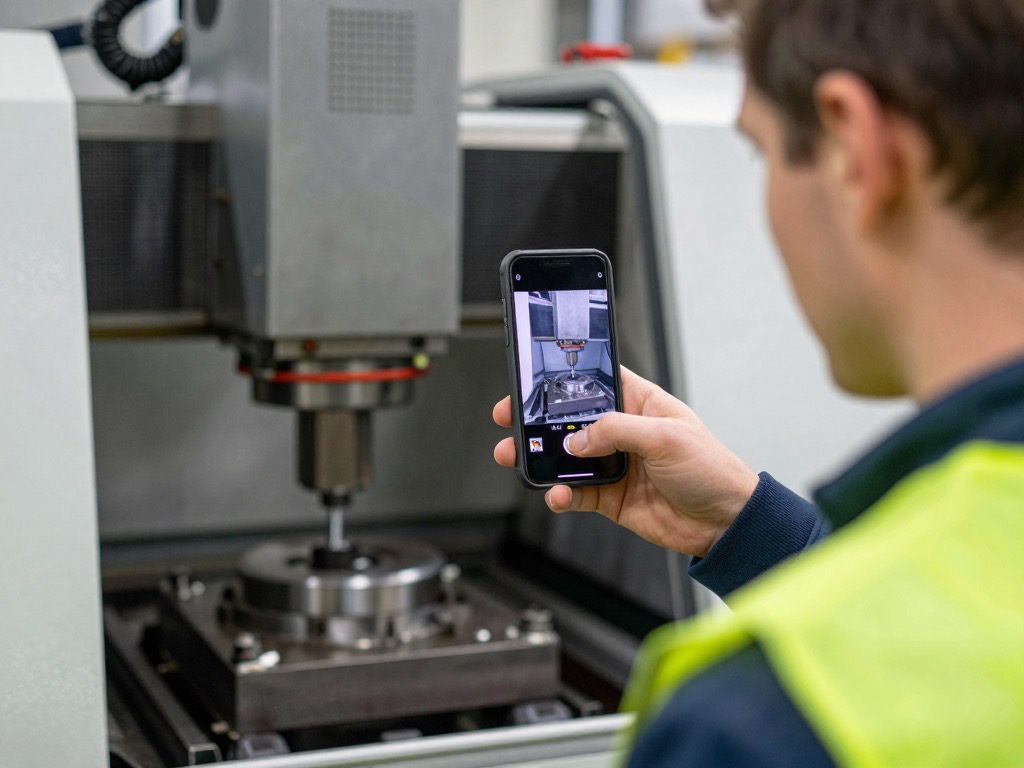
Learn more →A phone clip of the job done right becomes the one standardized work instruction every shift runs — no studio, no script, no instructional designer on your side.
Learn more →Update the procedure once. The course updates, the in-task guide refreshes, and every shift across every site is on the new version within 48 hours — nobody runs last month’s method.
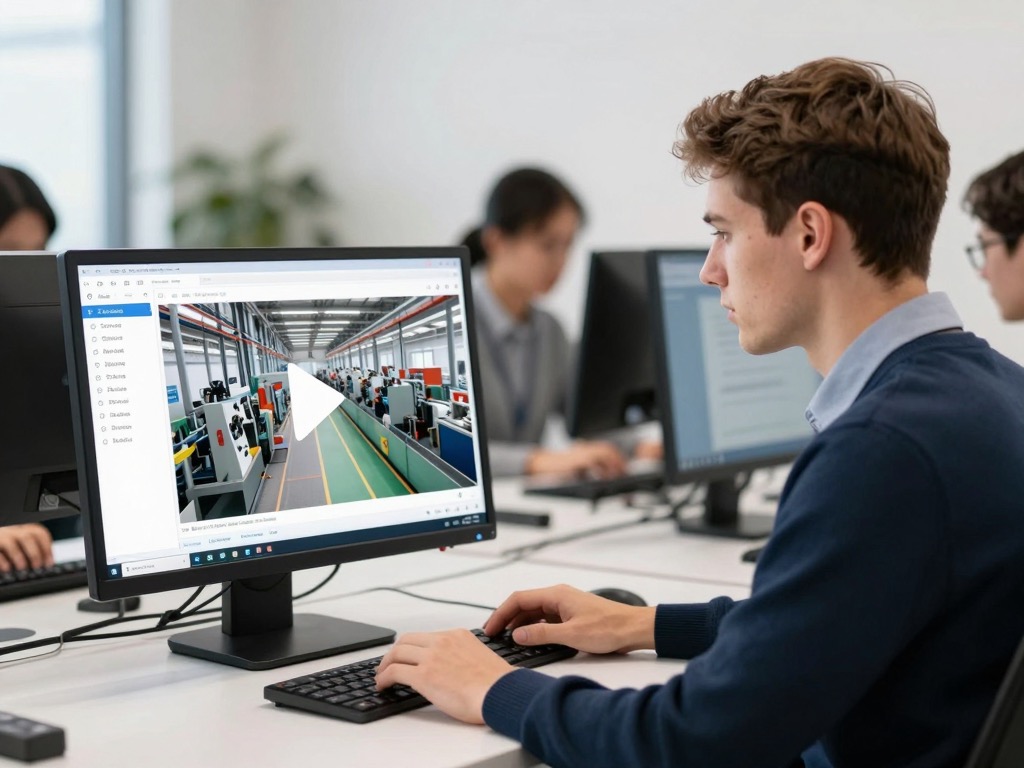
Learn more →One source becomes 75+ languages, voice and captions reviewed — every worker trains against the same standard, and you can prove they understood, by language.
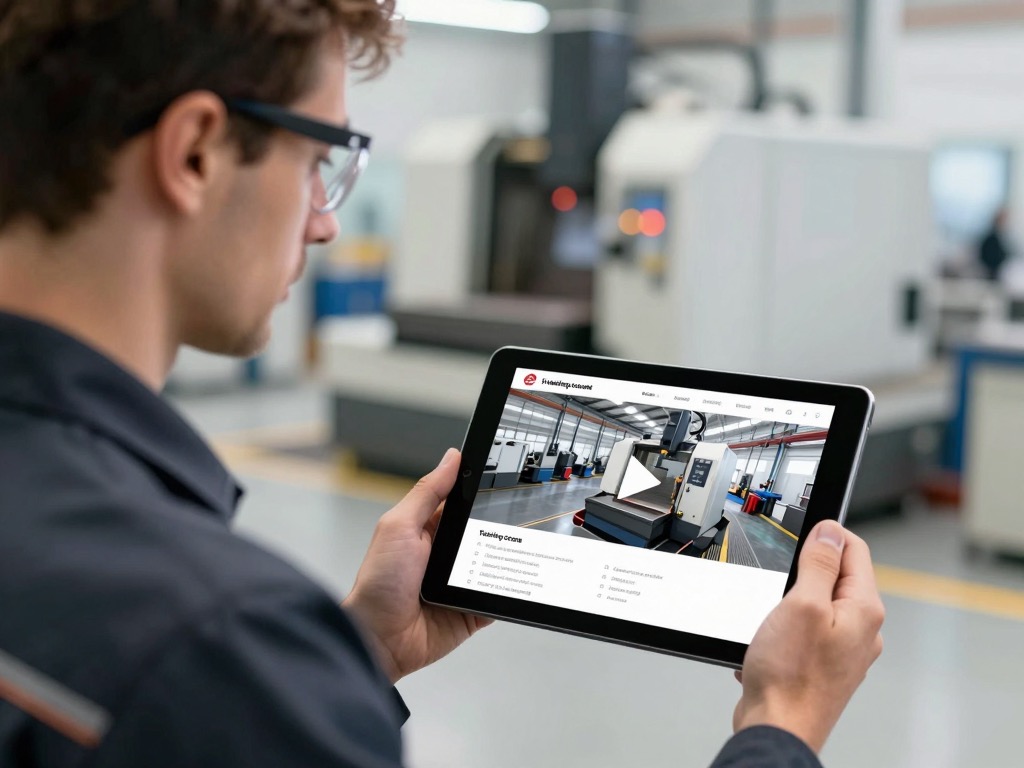
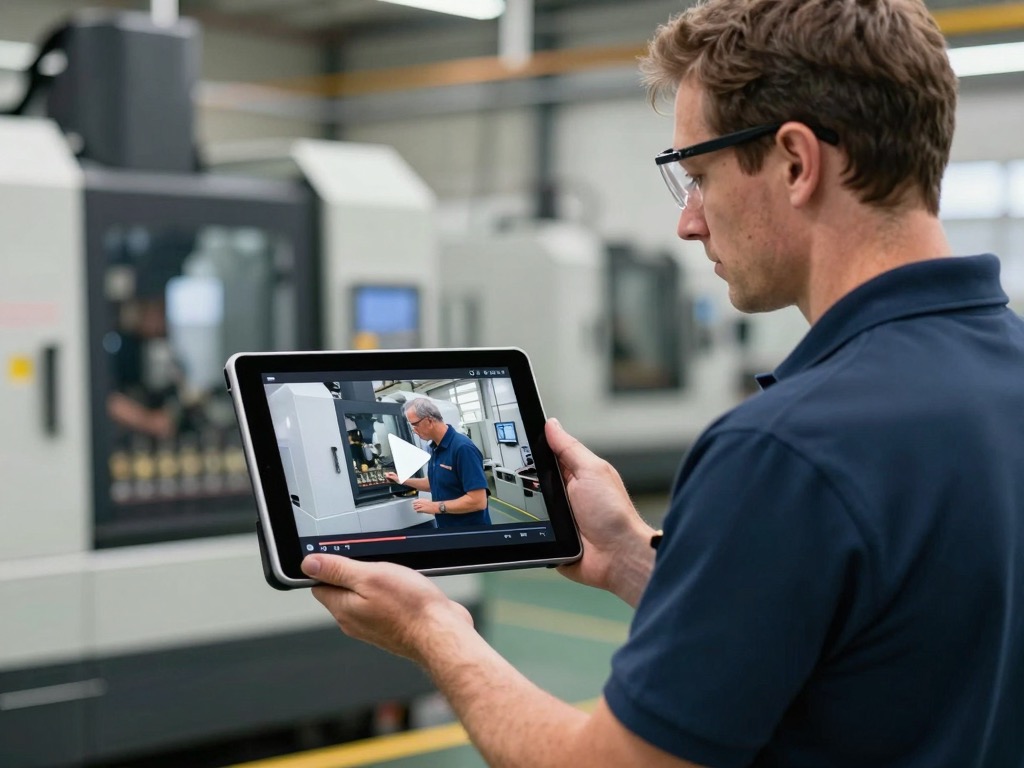
Learn more →Their training path is assigned the day they start — on the phone in their pocket, in their language. They learn the real method before they touch the machine, instead of shadowing whoever’s free. For a new line operator, that path runs lockout/tagout, machine guarding, hazard communication, then the standard work for their station.
Learn more →Who’s current on lockout/tagout, who’s due, who passed — pulled up by site and shift and handed over in one export. No more digging through spreadsheets while the auditor waits at the desk.
Learn more →A line operator films a 10-minute changeover on his phone. If the floor’s too loud to hear it clearly, he adds a quick voice note and a few written notes — we work from all of it together. It comes back as a standardized work instruction and a video course with a quiz.
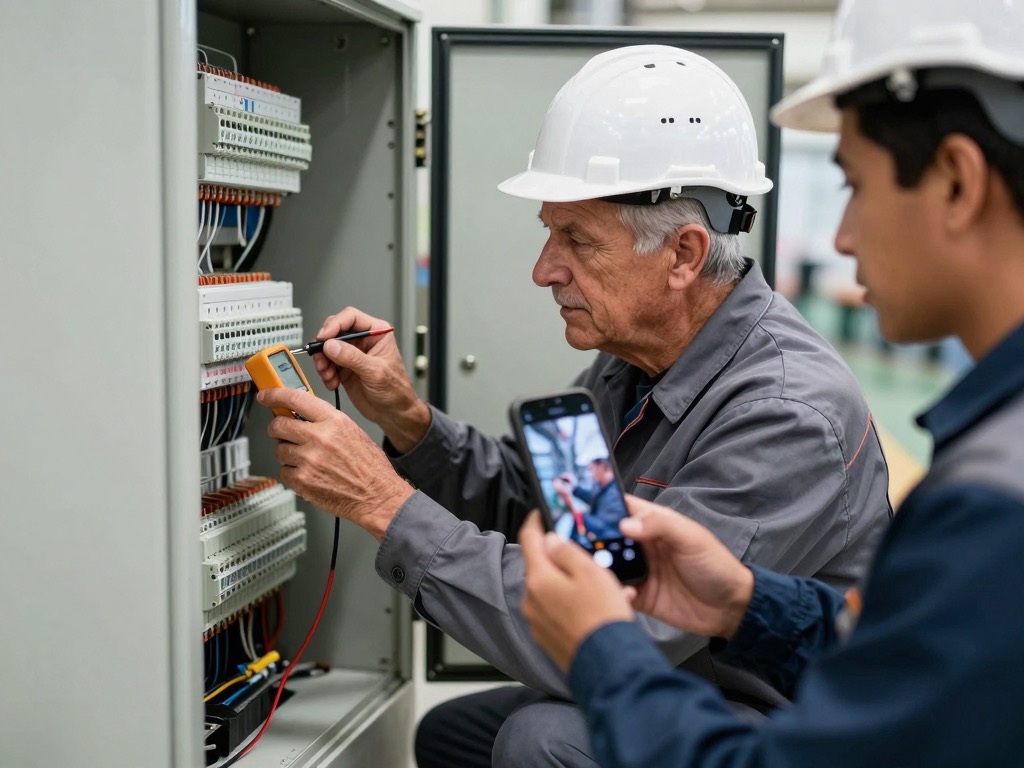
A retiring maintenance lead is filmed diagnosing a recurring fault; the diagnosis becomes a permanent troubleshooting course the next hire can follow.
A QA lead approves a revised lockout/tagout step Tuesday; by Wednesday every shift across every site is on the updated course, in the languages the workforce needs.
You answer to standards like these — and they change. When one does, we flag the affected training and prepare the update for you to approve, so no one is ever trained on last year’s rule.
Built, deployed, and kept current — in days, not years.
See how regulatory monitoring works →