Who you’ll train
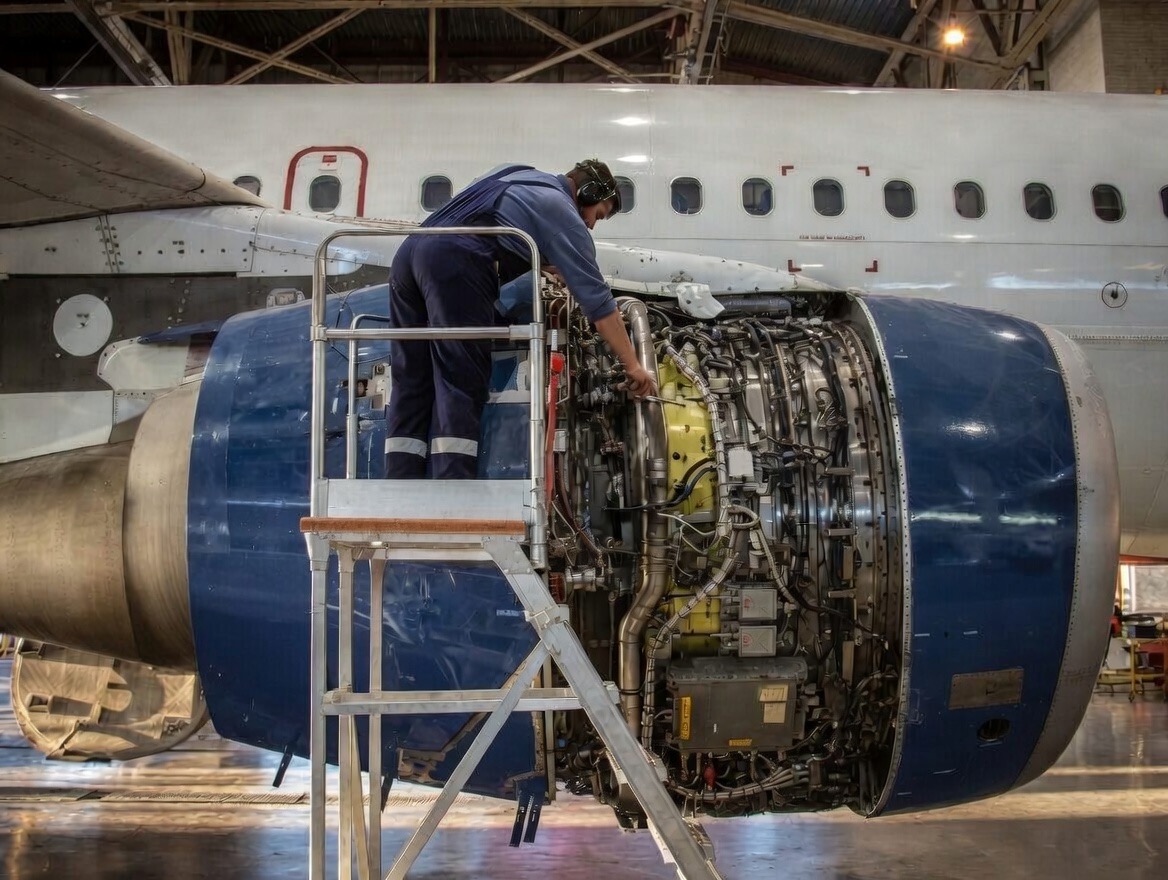
The people who keep aircraft flying.
From the hangar to the ramp — one standard, captured and current.
Capture how your veterans actually work, on video; turn it into standardized, ops-specific onboarding; put in-task guidance at the aircraft, offline; and keep FAA authorizations and airworthiness training tracked, current, and audit-ready.
From the hangar to the ramp — one standard, captured and current.
Every maintenance and operations leader runs into the same four walls:
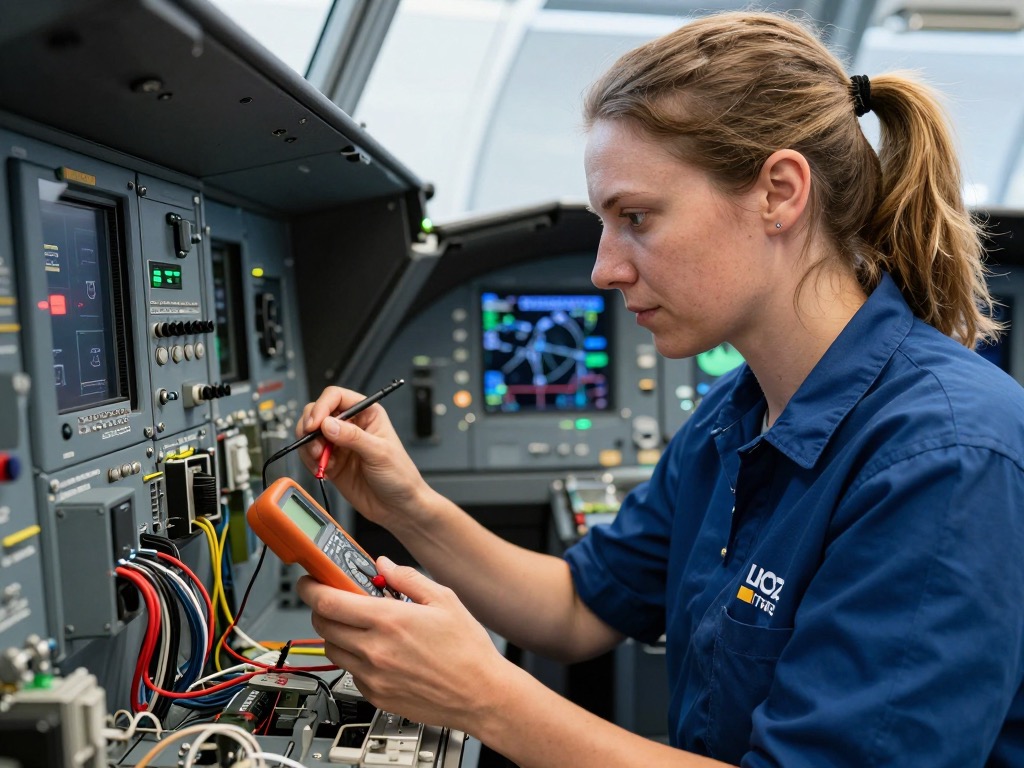
My most experienced mechanics are retiring, and the way they chase a hard fault — what they listen for, the order they check things in — walks out the door with them.
Each operation has its own procedures, onboarding a new hire takes months, and there just aren’t enough new airframe and powerplant (A&P) mechanics coming in to fill the gap.
Every authorization and certification has to be current and provable, and a lapsed one can’t be the thing we find out about when the auditor is already standing in the hangar.
There’s a hard, intermittent fault on the line that only one veteran can chase down, and when he’s off shift the aircraft just waits for him.
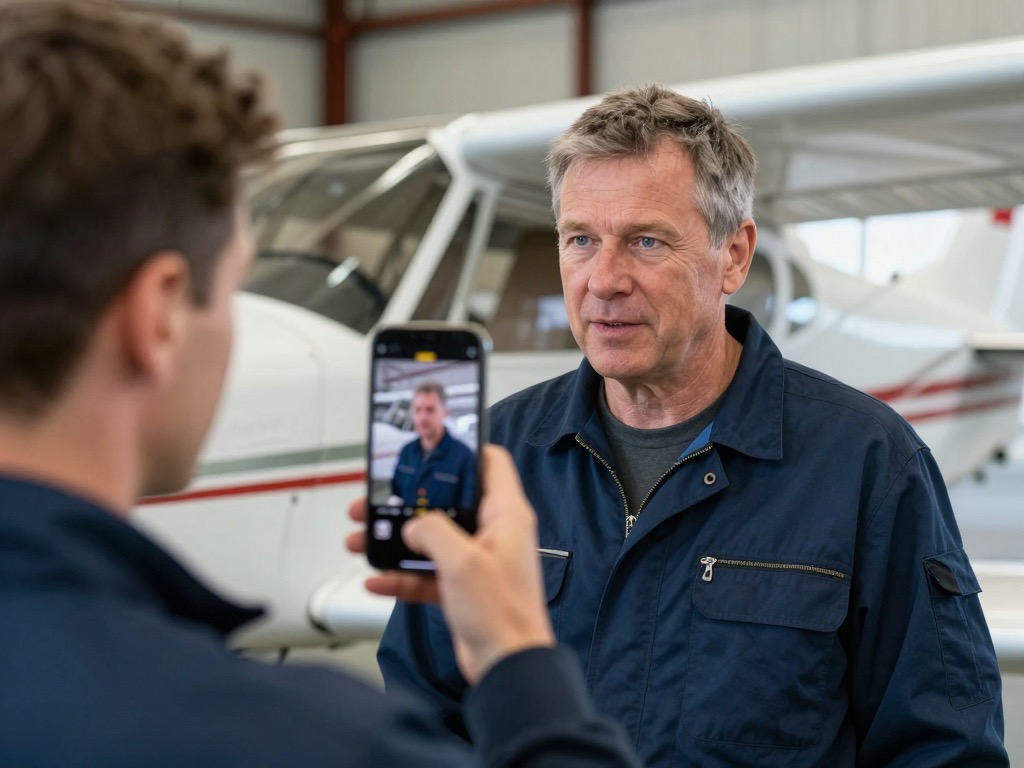
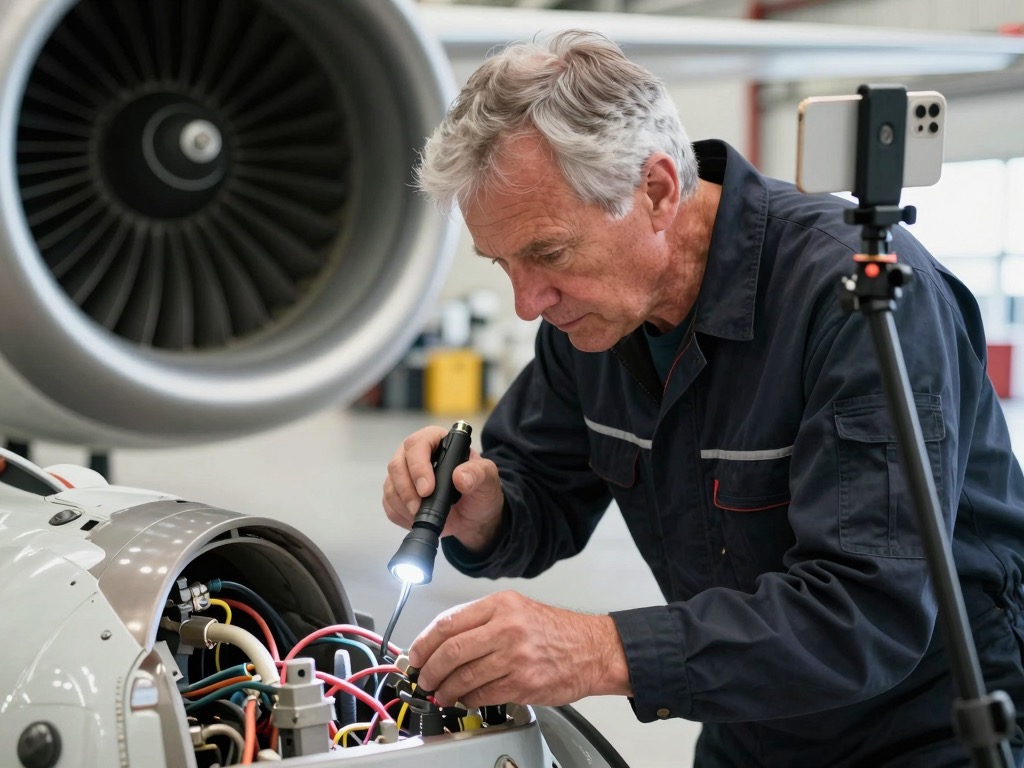
Record your veteran at the aircraft as he isolates the fault — what he listens for, the order he checks things in, the call he makes that the manual doesn’t spell out — and it becomes a permanent troubleshooting course the next mechanic follows. The judgment, not just the steps. A new technician’s path then runs safety, the ops-specific procedures, then the type-specific tasks.
Learn more →At the aircraft, the technician opens step-by-step visual work instructions and works the task in order — safety and lockout, isolate the fault, the type-specific task, the sign-off — so it’s done exactly to procedure, and it’s all there with no signal in the hangar.
Learn more →When a service bulletin lands or an operation revises a procedure, the affected training updates and reaches every technician within 48 hours — so nobody is working from last revision’s method, and the change is logged as it goes out.
Learn more →Pull up who’s authorized and current — by station, by type, by task — in one place, with the proof attached. An authorization coming due surfaces before the work is assigned, not after, and the technician is re-enrolled and tracked to renewal.
Learn more →An airline records its veteran mechanic isolating an intermittent fault; it becomes a troubleshooting course every technician can follow.
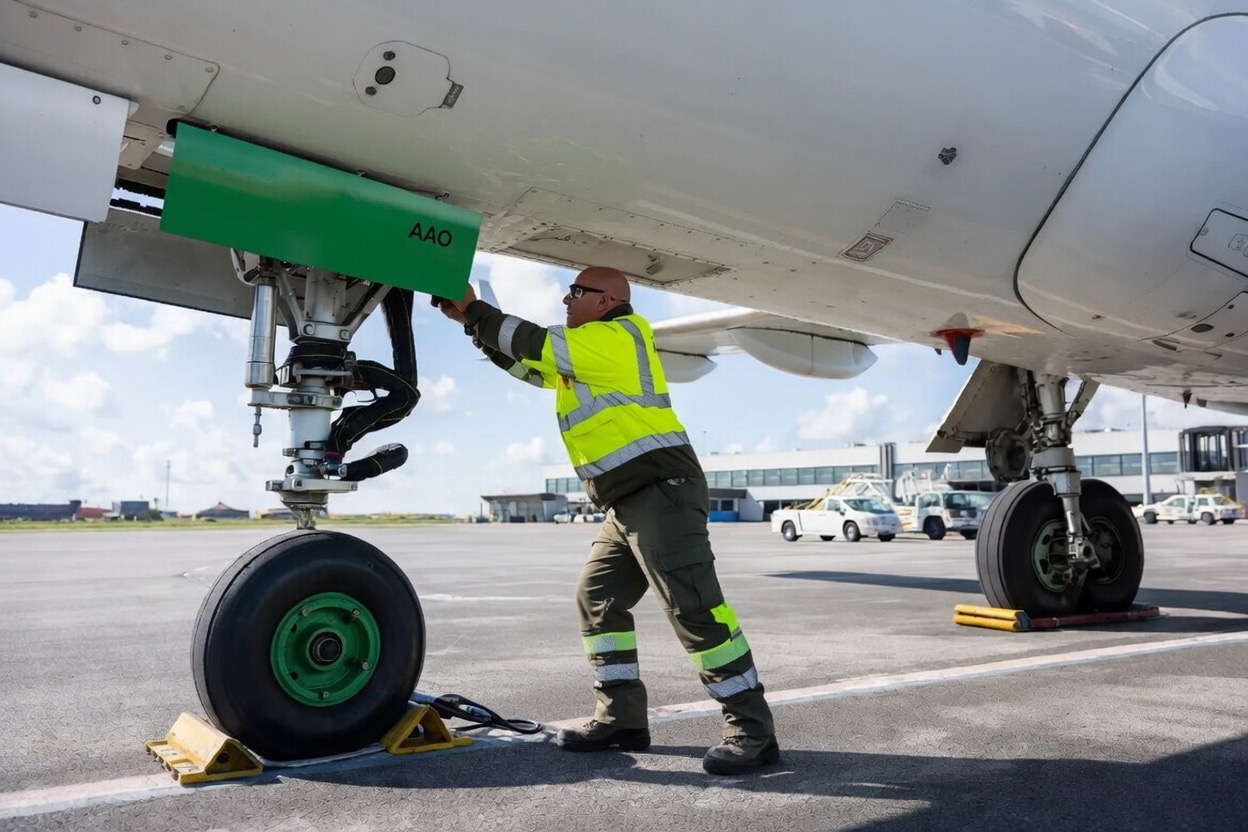
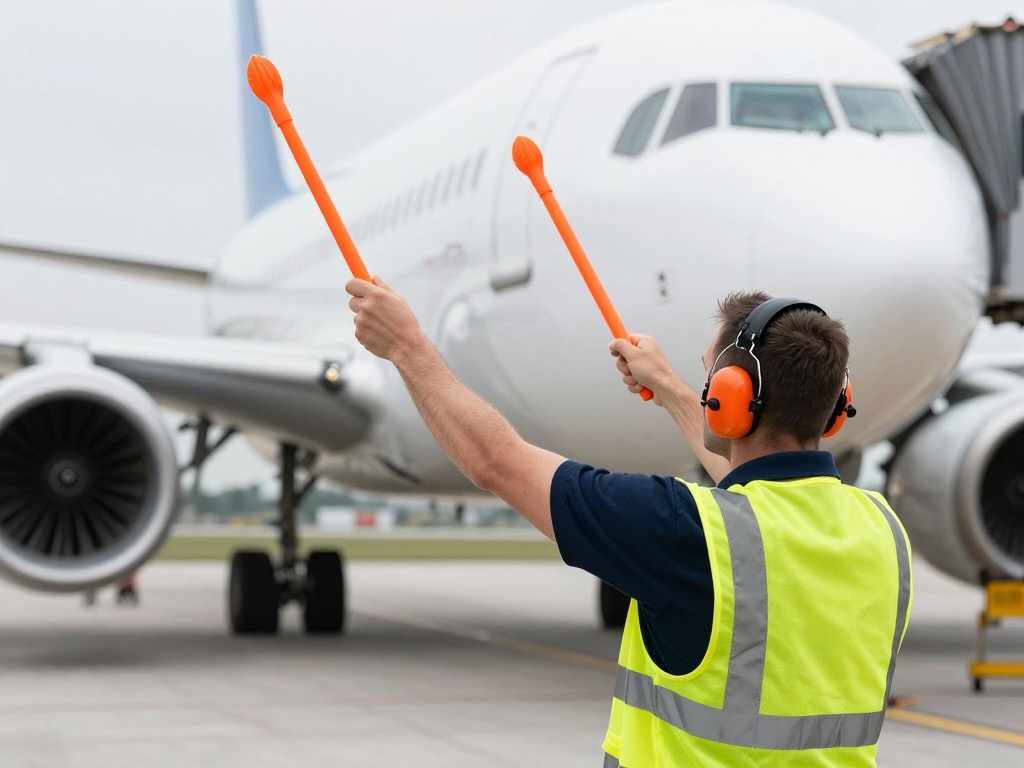
A line technician follows the same visual work instructions he trained on, exact to procedure and offline in the hangar.
Authorizations are tracked and current by station, with the proof attached and renewals that enroll themselves.
You answer to standards like these — and they change. When one does, we flag the affected training and prepare the update for you to approve, so no one is ever trained on last revision’s rule.
Built, deployed, and kept current — in days, not years.